
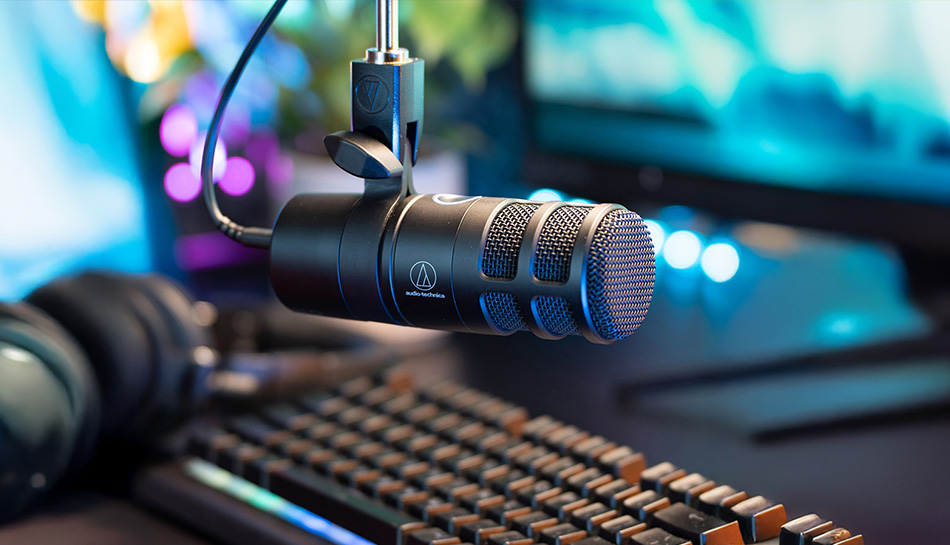

The search to find the right microphone may sometimes be similar to choosing a superpower: are you looking to have the rugged durability of a tank or the delicate precision of a surgeon? The underlying controversy is reduced to the dynamic microphone vs. condenser microphone narrative.
There is surely no single, ‘better mic’, and the correct choice of microphone depends on your recording conditions, the source of sound and your goals, whether it is a microphone for vocal recording or a clean, high-quality live stream. The main distinction between core condenser microphone and dynamic microphone difference is the clue to unlocking the best audio.
The major difference is in the manner in which the sound waves are converted by each microphone to an electrical signal.
The Dynamic Microphone (The Workhorse)
This is a microphone that uses electro-magnetic induction. It’s like a hard piece of wire coiled round a diaphragm and placed into a magnetic field. As the sound waves strike the diaphragm, the coil also moves creating a current.
Advantages: Dynamic microphones are durable, and can play very loud (high SPL) without distortion, and are also not so susceptible to noises in the background. They do not need external power.
Best applications: Live stage performances, loud instruments (drums, guitar amps), and recording in noisy rooms that have not been silenced. In case you want a reliable yet inexpensive microphone, it is a good place to begin by reviewing the dynamic microphone price range.
The Condenser Microphone (The Detail King)
This is a type of microphone that has a thin and fine diaphragm that is placed against a fixed backplate creating a capacitor. The diaphragm vibrates due to sound waves and the distance between the diaphragm and the backplate changes, forming the electrical signal.
Advantages: Condenser microphones are very sensitive, have a broader frequency range and sound very subtle, detailed and airy. That is why they are the reference to high-end recording.
Power requirements: Condenser mics require external power, usually phantom power (usually marked +48V) to work.
Best Use: Acoustically treated and quiet studios, acoustic instruments, voice overs and recording subtleties of vocal performances. Although the average cost of a condenser microphone is more expensive compared to a dynamic mic, the sonic payoff is distinctively clear.
Vocals, Studio and Podcasting Microphones
Your surroundings will determine which microphone to use when you are recording. In case you have a beautiful, quiet and acoustically treated studio, a large-diaphragm studio condenser microphone will record the best details, and it is the obvious choice in a shimmering vocal condenser microphone sound. To get a natural rejection and focused sound for effective podcasting, a dynamic microphone; is a great choice.
In the case of live singing, the only realistic option of the stage would be a dynamic microphone due to its durability and outstanding background noise rejection. Search for the best dynamic microphone for podcasting to sing, which should be able to endure moisture and falls. In the meantime, in a home environment where you may also require a mere usb condenser microphone to be used in video calls, the high sensitivity of the condenser actually works against you by capturing room echo or traffic noise. In that case, the best dynamic microphones would tend to sound more appropriate as it narrows down on your voice.
Frequently Asked Questions (FAQs)
What is a dynamic microphone and how is it different from a condenser mic?
A dynamic microphone is built sturdy, suited to loud sound, and captures less background noise because it uses a coil and a magnet to convert sound into an electrical signal. A condenser microphone has a vibrating diaphragm close to a fixed plate (a capacitor), and therefore is very sensitive, very good at detail, but needs phantom power to work.
Which is better for vocals – dynamic microphone or condenser microphone?
A condenser microphone in an acoustically treated and sound proofed room/studio is more likely to reproduce the richness of the nuances and the entire spectrum of frequencies of vocals. A dynamic microphone is preferable when the recording environment is untreated and if the source is live singing, instrument recordings, recording in the home/office environment. This is because a dynamic microphone is able to isolate the voice/sound and it is able to reject the background noise.
Are condenser microphones better for singing in a studio?
Yes, the condenser microphone is best for vocal recording, especially in professional music production studios. Their extreme sensitivity and extensive frequency response record more detail, clarity and airy vocal performance, as long as the recording space is acoustically treated.
Which condenser microphone is best for studio vocals and music production?
Although models come in a wide range of budget and preferred sound color, quite a number of professionals believe that large-diaphragm microphone models such as the Neumann U87 or mid-range models such as the Rode NT1-A is one of the best condenser microphone to use in a vintage studio sound.
Which is the best dynamic microphone for live singing and vocals?
One of the best dynamic microphones for live singing and vocals is the Artist Elite Series. The AE6100 Hypercardioid Dynamic Handheld Microphone is often recommended by professionals for its strong aggressive sound, excellent anti-shock engineering.
Which microphone is best for podcast – dynamic or condenser?
Dynamic microphones are a more appropriate choice in recording a podcast, particularly in untreated home offices. The optimal podcast microphone needs to concentrate on the speaker and avoid environmental noise (such as clicks of the keyboard or room reverberation), something that a good dynamic microphone can do.
What is the best podcast microphone for beginners?
When starting with a podcast at the house, a popular USB condenser microphone (to work with the simplest plug-and-play) or a good entry-level microphone such as the award-winning bestseller – AT2020 is a great option, giving a good balance between the price and the performance.